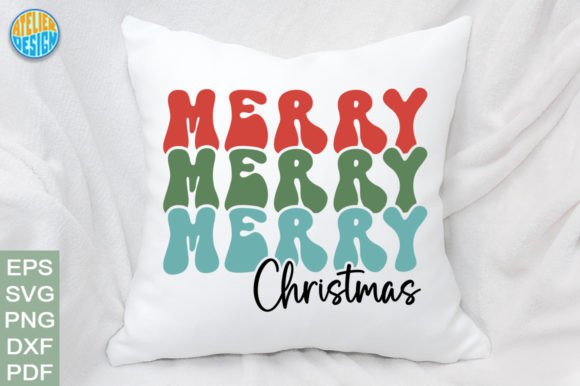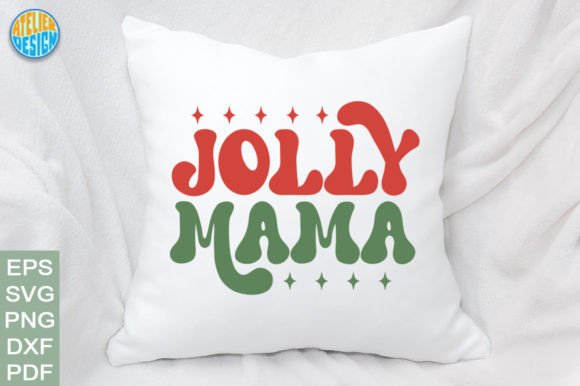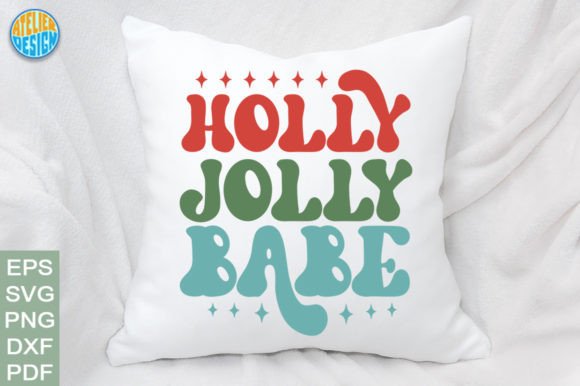
Ho Ho Ho Retro Svg Pillow Review
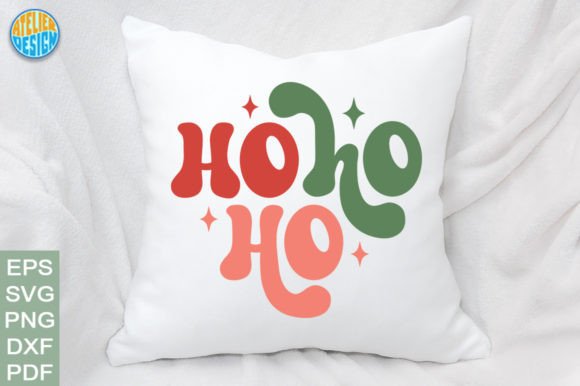
When I first opened the folder for the Ho Ho Ho Retro Svg Pillow, I didn't just see a graphic; I saw a specific kind of holiday energy. As someone who spends most of my days judging stitch density and evaluating how a design will hold up on a cotton canvas, my initial reaction was one of cautious optimism. The "groovy" aesthetic immediately sets a mood that feels nostalgic yet fresh, moving away from the traditional, stiff Christmas imagery we often see in commercial embroidery files. It creates a vibe that is warm, inviting, and perfectly suited for the modern handmade market.
The visual personality of this design is its strongest asset. In a sea of generic red and green snowflakes, this piece offers a distinct character. The layout feels balanced, making it versatile enough to be the centerpiece of a large project or a subtle accent on smaller items. For an embroiderer, the first question is always: "Will this look good stitched?" The retro styling suggests clean lines and bold shapes, which are generally friendly to machine embroidery, provided the details aren't too minute for the chosen needle size.
Real-World Application: From Screen to Stitch
To truly understand the potential of Ho Ho Ho Retro Svg Pillow, I decided to run a simulation based on a real client request. Imagine a small boutique owner preparing for the holiday season who needs custom embroidered tote bags for her gift shop. She wants something that screams "handmade" but still looks professional enough to justify a higher price point. This design fits that niche perfectly.
Visualizing the final product, I see the retro typography popping against a natural canvas tote. The color contrast would be striking if executed with a cream thread on a dark navy bag, or perhaps a deep forest green on a soft white background. The design's ability to work as both a digital graphic and a physical embroidery file makes it a valuable asset for an Etsy seller looking to offer both printable mockups and finished goods. However, the transition from SVG to satin stitch requires careful consideration of the fabric texture. A rough burlap might obscure the finer curves of the retro font, whereas a smooth twill or cotton duck would allow the stitches to lay flat and crisp.
I also considered using this for baby clothing, such as a onesie or a soft blanket. The playful nature of the design aligns well with nursery decor trends. When stitching on delicate fabrics like muslin or flannel, the stitch density becomes critical. If the design is too dense, it could pucker the fabric, ruining the drape of a baby garment. Conversely, if it is too sparse, the retro style might lose its definition. This is where the designer's judgment comes into play before hitting the start button on the machine.
Navigating Technical Challenges and Fabric Choices
No design is without its limitations, and understanding where Ho Ho Ho Retro Svg Pillow might struggle is just as important as knowing where it shines. One area to approach with caution is small hoop sizes. While the design is likely scalable, shrinking it down to fit a 4x4 hoop or a cap panel can sometimes cause tiny lettering or decorative accents to merge together during the stitching process. If you plan to use this for a small embroidered patch or a hat brim, testing on scrap fabric is non-negotiable.
Fabric choice is another pivotal factor. Stretchy fabrics, such as standard jersey knits used for sweatshirts, require a stabilizer strategy that prevents the design from distorting. Without proper backing, the tension of the satin stitch could pull the fabric out of shape, creating a wavy appearance around the letters. Similarly, textured fabrics like chenille or heavy fleece might not capture the fine details of the retro curves effectively. In these cases, a running stitch outline might need to be added to define the edges clearly.
Dense stitch areas are also worth noting. If the design includes fill stitches for the retro shapes, ensure that the underlay is sufficient to support the top layers. On dark fabrics, the thread colors must be chosen carefully to maintain visibility. A light thread on a black background works beautifully for high contrast, but a medium shade might get lost. Always inspect small details in your digitizing software or by printing a black-and-white mockup to ensure that no elements will disappear once the thread is applied.
Elevating Product Value and Brand Consistency
For craft business owners and creative entrepreneurs, the visual appeal of a design directly impacts customer trust and perceived value. A poorly executed embroidery job can make even the best product feel cheap, while a well-stitched design elevates the entire brand. The unique aesthetic of Ho Ho Ho Retro Svg Pillow allows for strong branding opportunities. It stands out in a crowded marketplace, signaling to buyers that the creator has put thought into the design selection.
This design is particularly effective for personalized gifts. Whether it is a custom apron for a family gathering or a holiday-themed pillow cover, the retro theme adds a touch of sophistication that appeals to adults as well as children. The versatility extends to various products, including tea towels, blankets, and even wedding gifts. When used correctly, the design enhances the finished product, making it a desirable item that customers are proud to display or wear.
However, consistency is key. If you are selling a line of holiday merchandise, ensure that the thread colors and fabric choices across different products match the intended retro vibe. Mixing a vintage-style design with overly modern or clashing threads can dilute the effect. By maintaining a cohesive look, you build a recognizable identity for your small shop, encouraging repeat business and word-of-mouth referrals.
Practical Designer Notes for Success
Before committing to a full production run, there are several steps every designer should take to ensure the best results. First, test the design on scrap fabric that matches the weight and stretch of your final material. This helps you gauge how the stabilizer interacts with the fabric and whether any adjustments to the hoop size or tension are needed.
Review the stitch density closely. If the design feels too heavy, consider adjusting the settings in your embroidery software to reduce the number of stitches per inch, especially for large fill areas. Confirm the licensing terms regarding commercial use before selling finished items or offering digital downloads. While the inclusion of EPS, DXF, and PDF files adds significant value for those who need vector assets for other projects, always verify the specific rights associated with the purchase.
Finally, compare light and dark fabric backgrounds to determine the best thread palette. Sometimes a simple change in thread color can transform the mood of the design entirely. By taking these practical steps, you ensure that the Ho Ho Ho Retro Svg Pillow delivers the high-quality result you expect, turning a digital file into a cherished handmade product that delights your customers.