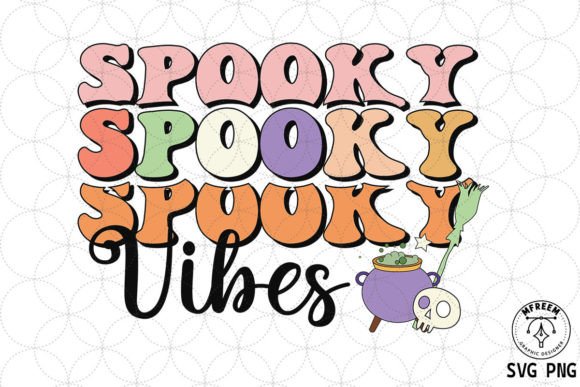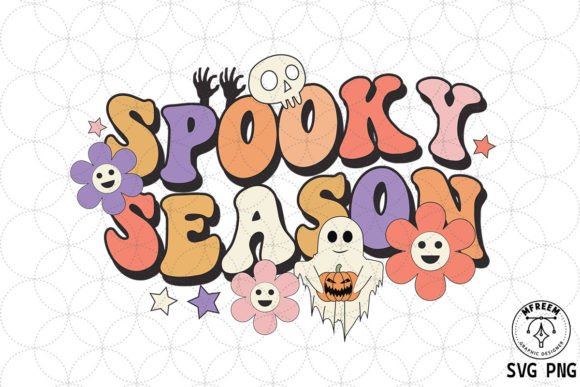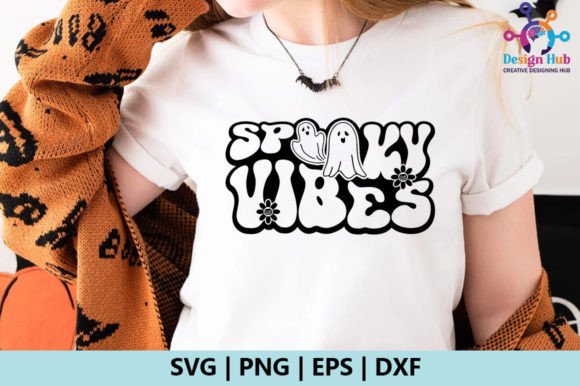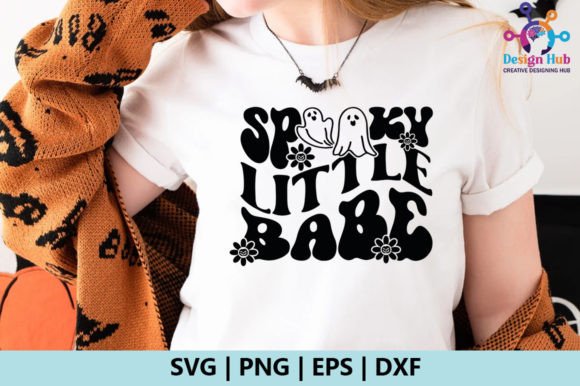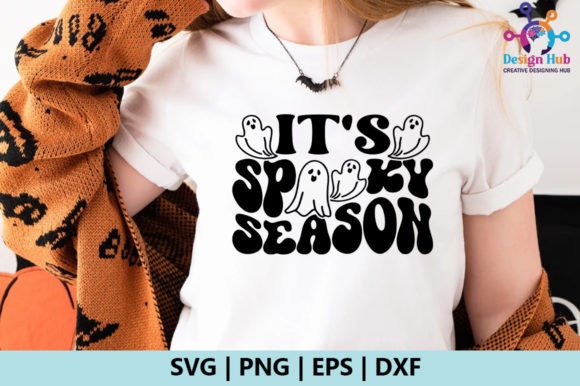
It s Spooky Season Retro SVG Review
As a designer who spends more time than I care to admit tweaking stitch densities and troubleshooting thread breaks, my first reaction to It s Spooky Season Retro SVG was one of cautious optimism. In the world of digital design assets, "retro" is a term that gets thrown around loosely, often resulting in designs that look muddy when converted into physical stitches. However, looking at the layout and the specific aesthetic of this file, there is a genuine potential here for creating high-quality handmade products. The vibe is distinctly nostalgic, evoking the cozy, slightly chaotic energy of autumn without relying on the cliché horror tropes that clutter so many seasonal collections.
The initial visual appeal of It s Spooky Season Retro SVG lies in its balance. It feels like something you would see on a vintage band t-shirt or a worn-out kitchen towel from the 1970s. This is crucial for embroidery because retro styles often rely on bold shapes and clear lines rather than intricate shading, which translates much better to thread. When I imagine this design stitched onto a canvas tote bag or a heavy cotton sweatshirt, it doesn't scream for attention; it whispers with character. That distinction is what separates a mass-produced generic item from a boutique product that customers actually want to keep.
Real-World Application: From Screen to Stitch
Let's talk about how this design performs in a real scenario. I recently considered using It s Spooky Season Retro SVG for a small batch of custom holiday gifts intended for local craft fairs. The project involved embroidering these designs onto aprons and tea towels for a home decor boutique. My primary concern was always readability. If the text becomes illegible after stitching, or if the retro curves get lost in the fabric texture, the whole piece loses its value.
Upon reviewing the vector files provided in the package, the scalability looked promising. One of the biggest headaches in machine embroidery is dealing with designs that don't scale well. Because this is a digital embroidery file based on clean vectors, resizing it to fit different hoop sizes should be straightforward. Whether I am placing a smaller version on a baby onesie or a larger iteration on a large pillow cover, the geometry holds up. The inclusion of multiple formats like SVG, PNG, EPS, and DXF ensures that I can work seamlessly across different software platforms, which is a massive plus for a busy craft business.
In terms of the actual stitching process, the retro style suggests that this will likely utilize a mix of satin stitch for outlines and fill stitch for the body of the graphics. Satin stitch is notoriously finicky on curved surfaces, but the rounded nature of retro typography usually mitigates the risk of thread bunching. For a project like an embroidered patch or a cap, the design's simplicity allows it to conform to the curve of the hat without looking distorted. On flat surfaces like a kitchen towel, the contrast between the thread and the fabric will make the design pop, adding a layer of professionalism that elevates a simple gift into a cherished keepsake.
Navigating Fabric and Technique Challenges
While the design has strong potential, no single embroidery project is perfect for every material. There are specific situations where It s Spooky Season Retro SVG requires careful consideration. For instance, attempting to stitch this on thin, stretchy fabrics like light jersey or sheer curtains could lead to puckering. The density of the fill stitches might overwhelm the weave of the fabric, causing the garment to lose its drape. Similarly, on textured fabrics like bouclé or thick fleece, the fine details of the retro lettering might get swallowed by the nap of the material.
I also need to address the issue of small hoop sizes. While the design is resizable, shrinking it down too far for items like baby socks or tiny patches risks losing the integrity of the lines. Tiny lettering is particularly risky; if the letters become too narrow, the stabilizer underneath might not provide enough support, leading to uneven tension. Furthermore, working on dark fabrics presents a challenge. If the background is black or navy, the thread colors chosen must have high contrast to maintain the retro feel. A low-contrast palette could turn a vibrant design into a dull smudge, negatively impacting customer trust in the finished product.
Another critical factor is the durability of the final piece. If this design is intended for commercial use on items that require frequent washing, such as aprons or workwear, the stitch density needs to be robust. Loose running stitches might unravel over time, whereas a tight satin stitch border will hold up better. Designers must ensure they are using the proper stabilizer to counteract the pull of the threads. Without adequate support, even the best machine embroidery design can fail under the stress of daily wear.
Visual Appeal and Commercial Viability
For Etsy sellers and small shop owners, the visual presentation of a product is just as important as the quality of the stitching. It s Spooky Season Retro SVG offers a distinct advantage here because it taps into a popular aesthetic that resonates with buyers looking for unique, handmade goods. The retro theme suggests a level of curation and thoughtfulness that appeals to consumers tired of generic store-bought decorations. When a customer sees a personalized gift featuring this design, they perceive higher value because the design feels intentional and stylish.
This design also lends itself well to branding. Imagine a boutique that specializes in autumnal home goods using this motif consistently across their product line—pillows, mugs, and apparel. The consistency builds brand recognition and makes the shop appear more professional. However, this only works if the execution is flawless. A poorly digitized version of a great design can ruin a brand's reputation. Therefore, checking the stitch density and ensuring the thread colors complement the fabric is non-negotiable.
When creating printable mockups or digital previews for listings, the clean lines of the vector file allow for crisp images that accurately represent the final product. This transparency helps manage customer expectations and reduces the likelihood of returns due to mismatched visuals. The versatility of the file means it can be used for various purposes, from holiday gifts to wedding favors, making it a valuable asset for creative entrepreneurs looking to expand their inventory.
Practical Notes for the Embroidery Designer
Before committing to a full production run, I strongly advise testing It s Spooky Season Retro SVG on scrap fabric first. This step is essential to verify how the design interacts with your specific machine and thread choices. Check the color contrast by stitching a sample in both light and dark backgrounds to ensure the design remains legible. Review the stitch density carefully; if the fill areas are too dense, the fabric may pucker, while areas that are too sparse might look unfinished.
Confirm the hoop size required for your intended application and inspect the small details closely. Sometimes, what looks good on a screen can suffer from thread breaks when scaled down. Also, verify whether the license terms allow for commercial use if you plan to sell the finished items. Finally, consider using a test in black and white to evaluate the composition before adding color. By taking these practical steps, you ensure that the transition from a digital file to a tangible handmade product is smooth and successful.
Ultimately, It s Spooky Season Retro SVG stands out as a versatile and visually engaging option for designers looking to add a touch of nostalgia to their custom apparel or holiday embroidery. With careful planning and attention to technique, it can serve as the foundation for beautiful, marketable projects that delight customers and elevate your craft business.