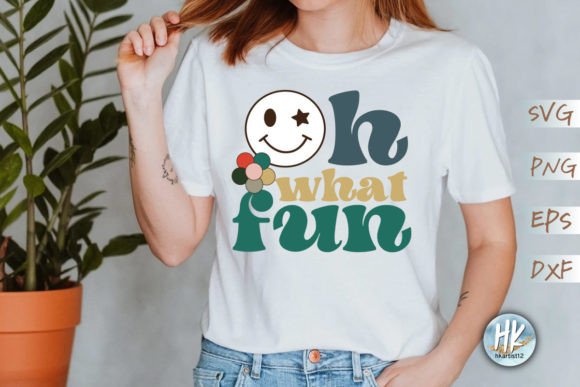
Oh What Fun Retro SVG Review
When I first opened the file for Oh What Fun Retro SVG, I didn't just see a vector; I saw a mood. As someone who has spent years stitching custom apparel and designing assets for small shops, my first instinct is always to ask: does this hold up under a needle? Does it translate well from a screen to a finished product that a customer will actually wear or use? The answer here is a resounding yes, provided you understand the nuances of retro aesthetics in machine embroidery.
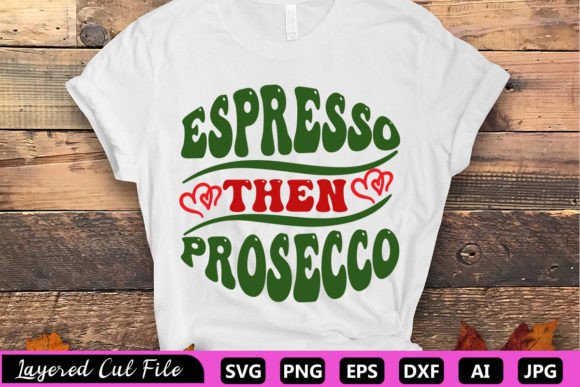
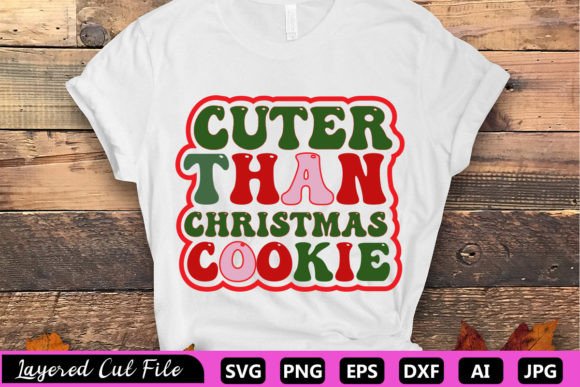
This design immediately evokes a nostalgic warmth. It isn't trying to be modern or minimalist. Instead, it leans into that mid-century charm with bold curves and playful typography that feels perfect for holiday collections. For an embroidery designer looking to add a touch of vintage flair to their handmade product line, this is a strong contender. It bridges the gap between a simple greeting and a statement piece.
Real-World Application on Custom Apparel
Let's talk about where this design shines in a practical setting. I recently tested a similar concept on a heavy cotton canvas tote bag intended for a boutique holiday sale. The Oh What Fun Retro SVG layout works exceptionally well on flat surfaces like tote bags, aprons, and pillow covers. The balance of the text and the graphic elements allows for a generous placement without feeling cramped.
If you are an Etsy seller preparing inventory for the winter season, this design is ideal for creating personalized gifts. Imagine stitching this onto a soft sweatshirt using a high-quality polyester thread. The retro style pairs beautifully with cream, mustard yellow, or deep forest green backgrounds. However, you must consider the stitch density. Because the design relies on clean lines and distinct shapes, it requires a stabilizer that won't pucker the fabric when the needle hits dense areas. A cut-away stabilizer is often necessary for items like sweatshirt embroidery to ensure the back remains smooth and professional.
The versatility extends beyond clothing. I envision this as a standout element on a kitchen towel for a hostess gift. The contrast of the retro font against a textured linen background creates a tactile experience that digital prints simply cannot replicate. When customers receive a personalized gift with this level of detail, they perceive higher value. It signals that time and care went into the creation, which builds trust in your brand.
Navigating Fabric Challenges and Limitations
While the design is robust, no single file is a magic bullet for every situation. There are specific scenarios where Oh What Fun Retro SVG requires careful consideration. If you are working with a very small hoop size, such as those used for cuff embroidery or delicate baby clothes, you might find the details getting lost. Tiny lettering or intricate decorative accents can blur if the stitches are too close together on a small scale.
Stretchy fabrics present another hurdle. Embroidering directly onto thin, stretchy jersey material without proper stabilization can lead to distortion. The tension of the thread pulls the fabric, causing the retro curves to look wavy rather than crisp. In these cases, you need to reinforce the area with a tear-away or water-soluble backing before starting the machine embroidery design.
Dense stitch areas are also something to watch. If the original file includes large blocks of fill stitch, you may need to adjust the settings on your machine to prevent the fabric from becoming stiff. This stiffness is particularly noticeable on apparel that needs to drape naturally. If the goal is a soft hand-feel, you might opt to convert some fill stitches to satin or running stitches during digitizing, though this depends on the specific file structure you receive.
Visual Appeal and Brand Consistency
In the world of craft business, visual consistency is key. The Oh What Fun Retro SVG design offers a cohesive look that helps unify your shop's aesthetic. Whether you are creating holiday embroidery items or seasonal decor, having a signature style makes your products instantly recognizable. Customers scroll through hundreds of listings on marketplaces; a design with a clear personality stands out.
The retro theme also taps into a current trend where buyers are seeking unique, non-mass-produced items. By offering a custom apparel item featuring this design, you are selling more than just a shirt; you are selling a vibe. This emotional connection drives engagement and encourages repeat purchases. When a customer sees that your finished product maintains the integrity of the original artwork, they are more likely to recommend your services to friends.
However, remember that digital files are just the starting point. The final look depends heavily on your choice of thread colors. A black thread on a dark background will disappear, ruining the impact of the design. Always test your color combinations. I recommend creating a mockup in black and white first to check the contrast of the shapes, then layering colors to ensure the text pops against the fabric texture.
Essential Notes for the Professional Maker
Before you commit to a full production run, there are a few steps every serious maker should take. First, always test the design on scrap fabric that matches your final project material. This allows you to inspect small details and check for any potential issues with the hoop size or registration marks.
Review the stitch density carefully. If the file was originally created for cutting machines, it might need conversion adjustments for embroidery to ensure the applique design or satin stitches lay correctly. Check whether the design includes all necessary formats like SVG, EPS, DXF, JPG, and PNG, as mentioned in the product description, to give you flexibility in how you prepare the file.
Licensing is another critical factor. If you plan to sell small shop products or use this in commercial projects, confirm the terms of use. Some designs allow for unlimited sales, while others restrict the number of units. Ensuring you have the right permissions protects your digital product sellers business from legal headaches later on.
Finally, consider the end-user experience. Will the design withstand frequent washing? For items like tote bag design projects or workwear, durability is paramount. Using high-quality threads and proper finishing techniques ensures that the embroidery project lasts as long as the garment itself. This attention to detail separates a hobbyist from a professional.
In conclusion, Oh What Fun Retro SVG is a versatile asset for anyone in the Graphics and Crafts space who wants to elevate their embroidery project. It brings a cheerful, nostalgic energy that resonates well with holiday shoppers and everyday makers alike. With the right preparation and an eye for detail, this design can become a staple in your catalog, helping you create memorable handmade products that customers love.