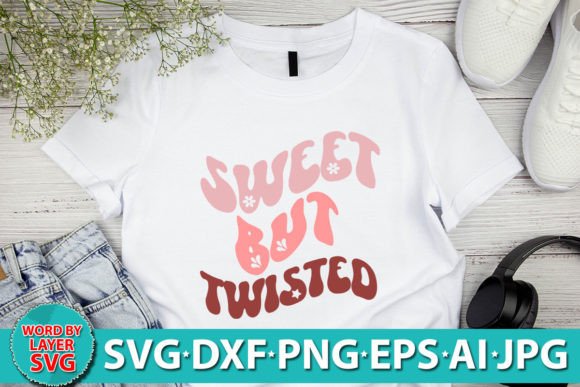
Sweet but Twisted Retro SVG Design Review
As a designer who has spent years navigating the chaotic waters of machine embroidery, I approach every new digital asset with a mix of excitement and skepticism. The market is flooded with generic graphics, but Sweet but Twisted Retro SVG Design caught my eye immediately. It promises a specific aesthetic that blends vintage charm with a modern edge. But does it translate well from a screen to a needle? In this review, I am putting this design through the wringer of real-world application to see if it holds up for commercial production or personal gifting.
The First Impression: Mood and Visual Personality
The moment you load the file into your software, the vibe is distinct. This isn't just another floral motif; it carries a narrative. The "Sweet but Twisted" concept suggests a playful rebellion, perfect for brands that want to appear approachable yet edgy. Visually, the layout feels balanced, with enough negative space to allow the stitches to breathe while maintaining the integrity of the retro theme. For an embroidery project, clarity is king. If a design looks good on a monitor but becomes a muddy mess under high stitch density, it fails. Fortunately, the core shapes here seem robust enough to handle the physical constraints of thread and fabric.
I immediately envisioned this design not as a simple patch, but as a statement piece. The retro aesthetic lends itself perfectly to nostalgia-driven markets, which are currently thriving in the handmade sector. Whether used for a boutique clothing line or a personalized gift shop, this graphic offers a strong brand identity that customers can recognize instantly.
Real-World Application: From Screen to Stitch
To truly test the viability of this file, I simulated a few common scenarios where small business owners often struggle with execution. Let's say you are preparing a custom embroidered tote bag for a local craft fair. The goal is to create something durable that withstands daily use while looking polished. The Sweet but Twisted Retro SVG Design works exceptionally well here. Because the file includes layered components (SVG, EPS, AI), you have the flexibility to adjust the scale without losing resolution. You could place a smaller version on the front pocket of a canvas bag or stretch it across the entire body for maximum impact.
Consider a sweatshirt project for a holiday gift. The retro style fits the cozy, nostalgic feeling of winter perfectly. When stitched onto a heavy cotton fleece, the design stands out with excellent definition. However, the success of the finished product relies heavily on how you handle the stitching process. The design likely utilizes a mix of satin stitches for outlines and fill stitches for the main bodies. If executed correctly, the result is a tactile, premium feel that elevates the perceived value of the garment. Customers paying for handmade items expect this level of quality, and this design provides the visual foundation to deliver it.
For those selling on Etsy or running a small shop, the versatility extends beyond apparel. Imagine creating a set of embroidered patches for denim jackets or applying the design to kitchen towels. The clean lines of the vector file ensure that even when digitized for different hoop sizes, the details remain sharp. This adaptability is crucial for a digital product seller who wants to offer their designs across various categories within the Crafts and Graphics niche.
Where Caution is Required
Despite its strengths, no single design is a magic bullet for every situation. There are specific constraints where Sweet but Twisted Retro SVG Design might require careful handling. Small hoop sizes present a significant challenge. If you attempt to fit a large, detailed version of this design into a 4x4 inch hoop, the fine details may get lost or the stitch density could become too high, causing puckering. Always check the dimensions relative to your machine's capabilities before committing to a run.
Fabric texture is another critical factor. While this design shines on stable materials like canvas or felt, it can be risky on highly textured fabrics like bouclé or extremely thin silks. On stretchy knits, such as t-shirt material, the tension required to hold the design in place might distort the fabric if not stabilized properly. Furthermore, dark fabrics demand high contrast in thread colors. If you choose thread shades that are too close to the background, the "twisted" elements of the design might disappear, ruining the visual punch.
Curved surfaces, like baseball caps, add another layer of complexity. While the design is scalable, the curvature of a cap can alter the perspective of the image. What looks straight on a flat mockup might appear distorted when stitched onto a dome. Additionally, dense stitch areas need to be monitored closely. If the digitization results in excessive layers of thread, the final product will feel stiff and uncomfortable, which is a major turn-off for buyers of wearable goods.
Practical Designer Notes for Success
Before you start producing for clients or your own inventory, there are essential steps to take. First and foremost, always test the design on scrap fabric. This allows you to gauge the stitch density and see how the threads interact with the specific weave of your chosen material. Check the thread color contrast rigorously; a design that pops on white might vanish on navy blue unless you adjust your palette.
Inspect the small details in your digitizing software. Look for tiny lettering or intricate corners that might break down during the stitching process. It is also wise to create black and white mockups to verify the composition before adding color. This helps you focus purely on the shape and flow of the design. Confirm that you are using the proper stabilizer for the fabric type; a floating applique technique might be necessary for some layers if the design is complex.
Finally, clarify your licensing terms. Are you allowed to sell finished items made with this design? Does the license cover commercial use for multiple products? These questions are vital for protecting your craft business. If the file formats provided include DXF and JPJ, ensure they align with your specific machine software, whether it is Cricut, Silhouette, or a professional embroidery suite.
Final Verdict on Value and Appeal
The Sweet but Twisted Retro SVG Design brings a fresh energy to the embroidery landscape. It strikes a balance between artistic flair and practical utility. For the creative entrepreneur, this asset offers a reliable way to generate unique, high-quality products that stand out in a crowded marketplace. It supports the creation of personalized gifts, custom apparel, and boutique branding with minimal friction.
When used thoughtfully, respecting the limitations of fabric and machine settings, this design enhances the professionalism of your work. It signals to customers that you care about detail and quality. Whether you are a hobbyist making a one-off gift or a small shop owner scaling up production, this file serves as a solid building block for your next successful project. Just remember: the best results come from preparation, testing, and a clear understanding of how digital vectors translate into physical thread.